Your hearing aids are vital pieces of technology that keep you connected to the world around you, and they’re a significant investment. It’s imperative to take good care of them with regular cleanings and staying on top of maintenance. We’ve compiled a quick guide to cleaning and maintenance so you can keep your hearing aids in peak condition for as long as possible.
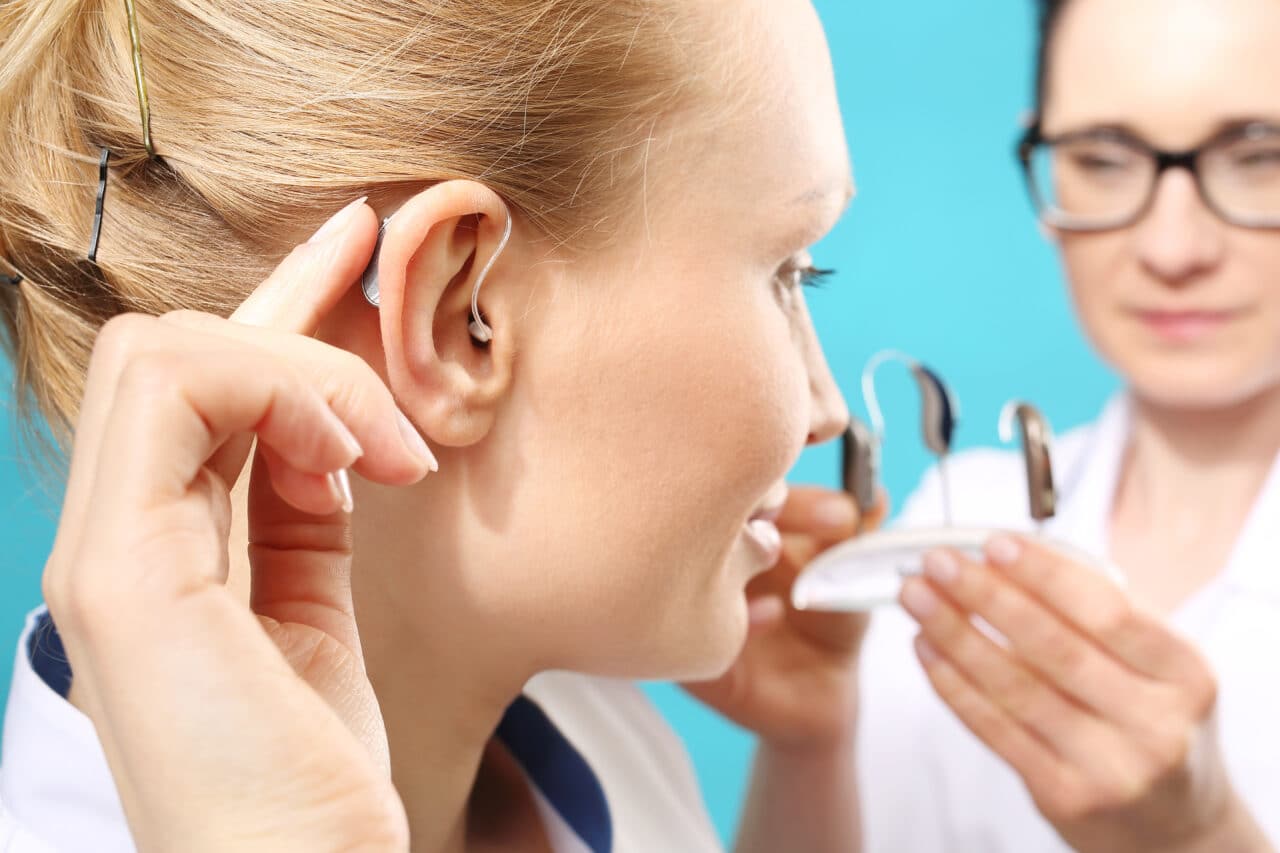
Cleaning Your Hearing Aids
The first thing we’ll go over is basic hearing aid hygiene.
Why Should I Clean My Hearing Aids?
Earwax and dust buildup are two of the most common ways a hearing aid can become damaged. Buildup of particles like these can damage the speaker or clog the battery port. Stay on top of this buildup by regularly cleaning your hearing aids.
How Often Should I Clean My Hearing Aids?
We recommend cleaning your hearing aids every day. It’s quick and easy to implement a quick cleaning routine when you take your hearing aids out at the end of the day.
How Do I Clean My Hearing Aids?
First, wash your hands. Then, wipe the body of the hearing aid down with a microfiber washcloth or other soft cloth. Next, use the hearing aid brush to gently brush away earwax and dirt, focusing on the receiver, microphone and vents. These two motions will remove the majority of earwax, dirt, moisture and oil from your fingers. After completing this, look your hearing aids over for more stubborn buildup in areas like the filter and the battery port. Use an earwax removal tool (such as a wax pick or wax loop) to remove any buildup you find hiding in these places. Remember to be gentle; these areas are delicate.
Hearing Aid Maintenance
Here are some other habits to adopt to keep your hearing aids in good working order.
How Do I Prolong the Battery Life of My Hearing Aids?
The battery powers your hearing aid. Some hearing aids are rechargeable, while others use replaceable “button” batteries.
If your hearing aids are rechargeable, refer to your hearing aid manual for proper battery maintenance instructions. Plug your hearing aids in every night and don’t let the charging cable become frayed or broken. Check the battery port often for signs of rust or corrosion.
If you use button batteries, remove the batteries and leave the battery compartment open overnight after completing the cleaning regimen outlined above. It’s good to air out the battery compartment often in order to allow moisture to evaporate. Additionally, store your batteries properly in a cool, dry place, use your oldest package first, and always wash your hands before putting in a new battery.
How Should I Store My Hearing Aids When I’m Not Wearing Them?
Always keep your hearing aids in a hearing aid case when you’re not wearing them. Don’t just set them down wherever it’s convenient, leaving them exposed to hazards such as being dropped, squished or stepped on. Keep them out of reach of pets and children. Smart storage can prevent damage from happening and reduce natural wear and tear.
What Can Damage My Hearing Aids?
As discussed above, dirt and earwax can damage your hearing aids if they accumulate, so stay on top of your cleaning routine. Moisture can also pose a substantial risk. Moisture can get on your hearing aids if you get into water while wearing them, but also if you’ve been really sweaty or been in a rainy or humid environment. If your hearing aids ever get wet, dry them thoroughly using a dry kit or electric hearing aid dryer. Avoid hazards like these to avoid damage to your hearing aids.
Attend Regular Check-Ups with Your Audiologist
Your car and other pieces of equipment need regular tune-ups; so too do your hearing aids. Bring your hearing aids back to the clinic regularly for a professional cleaning appointment and to discuss any potential malfunctions or performance issues. Remember that regular check-ups like these can save you a major repair in the long run. Call The Hearing & Speech Center today to schedule an appointment.